

What Is an HVAC Zoning System and How Does It Work?
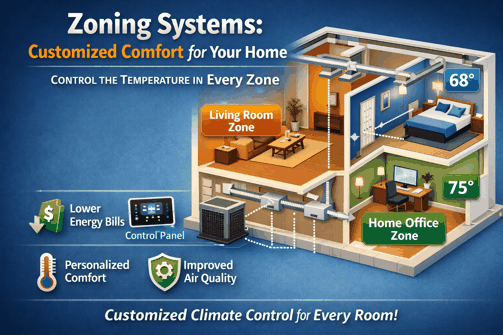
A zoning system is a modern HVAC configuration that divides your home into separate temperature-controlled areas, or “zones,” allowing independent climate control in each space. Instead of relying on a single thermostat to regulate the entire house, zoning systems use multiple thermostats connected to a central control panel that directs airflow through motorized dampers installed inside your ductwork. These dampers open and close based on the temperature needs of each zone, delivering conditioned air only where it is needed. The result is customized comfort, improved energy efficiency, and reduced strain on your HVAC system.
In traditional central air conditioning systems, every room receives the same amount of cooled air, regardless of sun exposure, insulation quality, occupancy, or ceiling height. This often leads to uneven temperatures—hot upstairs bedrooms, overcooled basements, or under-conditioned home offices. HVAC zoning systems solve this problem by targeting specific areas independently. For example, you can keep bedrooms cooler at night while reducing cooling in unused living areas.
Zoning works particularly well with variable-speed air handlers and smart thermostats, which optimize airflow and runtime. Modern systems also integrate seamlessly with smart home platforms, allowing homeowners to adjust temperatures remotely via mobile apps. By tailoring airflow distribution, zoning systems minimize energy waste and enhance system longevity. Whether installed in new construction or retrofitted into existing ducted systems, HVAC zoning provides precise environmental control that aligns with today’s demand for efficiency and personalization.
From a performance standpoint, zoning systems reduce short cycling and eliminate hot and cold spots. Because the HVAC system runs only to satisfy active zones, it operates more strategically rather than constantly trying to balance the entire structure. This translates into lower monthly energy bills and a more stable indoor climate throughout the year.
Benefits of Installing a Zoning System in Your Home
The primary advantage of a zoning system is personalized temperature control, but the benefits extend far beyond comfort. Energy savings rank among the most compelling reasons homeowners invest in zoning technology. According to HVAC efficiency data, zoning can reduce energy consumption by up to 20–30% depending on home layout and usage patterns. By avoiding unnecessary cooling in unoccupied areas, homeowners lower operational costs while maintaining optimal indoor comfort.
Another significant benefit is enhanced indoor air quality management. Because airflow is controlled by dampers, zoning reduces excessive air circulation in unused spaces. This can help manage dust, allergens, and humidity levels more effectively—especially when paired with high-efficiency filters or integrated air purification systems. In multi-story homes, zoning dramatically improves temperature balance between floors, eliminating the common issue of upper levels overheating during summer months.
Zoning systems also extend HVAC equipment lifespan. When systems operate under balanced load conditions rather than overcompensating for uneven airflow, wear and tear decrease. Reduced runtime and strategic cycling preserve compressor and blower motor health. Over time, this leads to fewer repairs and deferred system replacement costs.
For households with varying comfort preferences, zoning eliminates thermostat disputes. Family members can maintain individual comfort settings in different areas without impacting the rest of the home. This feature is especially valuable in homes with home offices, guest suites, finished basements, or large open-concept layouts.
Additionally, zoning adds resale value. Prospective homebuyers increasingly prioritize energy-efficient HVAC systems and smart home integration. A professionally installed zoning system demonstrates upgraded infrastructure and long-term operational savings. As energy codes and efficiency standards evolve, zoning represents a forward-thinking investment aligned with modern building performance expectations.
Is a Zoning System Right for Your Home? Key Considerations
Determining whether a zoning system is appropriate for your home depends on structure, duct design, and occupancy patterns. Homes that benefit most from zoning typically have multiple levels, large square footage, significant window exposure, or rooms that remain unused for extended periods. If you consistently experience temperature inconsistencies, rising cooling costs, or thermostat conflicts, zoning may provide a practical solution.
Professional evaluation is essential. An HVAC contractor will assess duct layout, static pressure, and equipment compatibility before recommending zoning modifications. In many cases, existing ductwork can be adapted with motorized dampers and additional thermostats without requiring full system replacement. However, homes with outdated or undersized duct systems may require upgrades to ensure proper airflow balance.
Cost considerations vary depending on the number of zones and system complexity. While upfront installation costs are higher than traditional single-thermostat systems, long-term energy savings often offset initial investment. When paired with high-SEER air conditioning units and programmable thermostats, zoning maximizes efficiency gains.
Another consideration is system type. Zoning integrates seamlessly with central air conditioning and heat pump systems. Alternatively, homeowners may explore ductless mini-split systems, which inherently function as zoned systems because each indoor unit operates independently. Both approaches provide targeted comfort, though the best option depends on architectural constraints and budget.
Maintenance requirements remain relatively straightforward. Routine HVAC servicing, damper inspections, and thermostat calibration ensure optimal performance. As with any mechanical system, professional installation is critical; improper zoning design can lead to pressure imbalances or airflow restrictions.
Ultimately, HVAC zoning systems represent one of the most effective strategies for achieving customized comfort, energy efficiency, and operational control in modern homes. By delivering conditioned air precisely where it is needed, zoning reduces waste, enhances comfort consistency, and supports sustainable energy practices. For homeowners seeking long-term performance improvements, zoning offers a measurable upgrade that transforms how indoor climate is managed.