
Gas Furnaces: The Most Popular Choice for Efficiency and Affordability
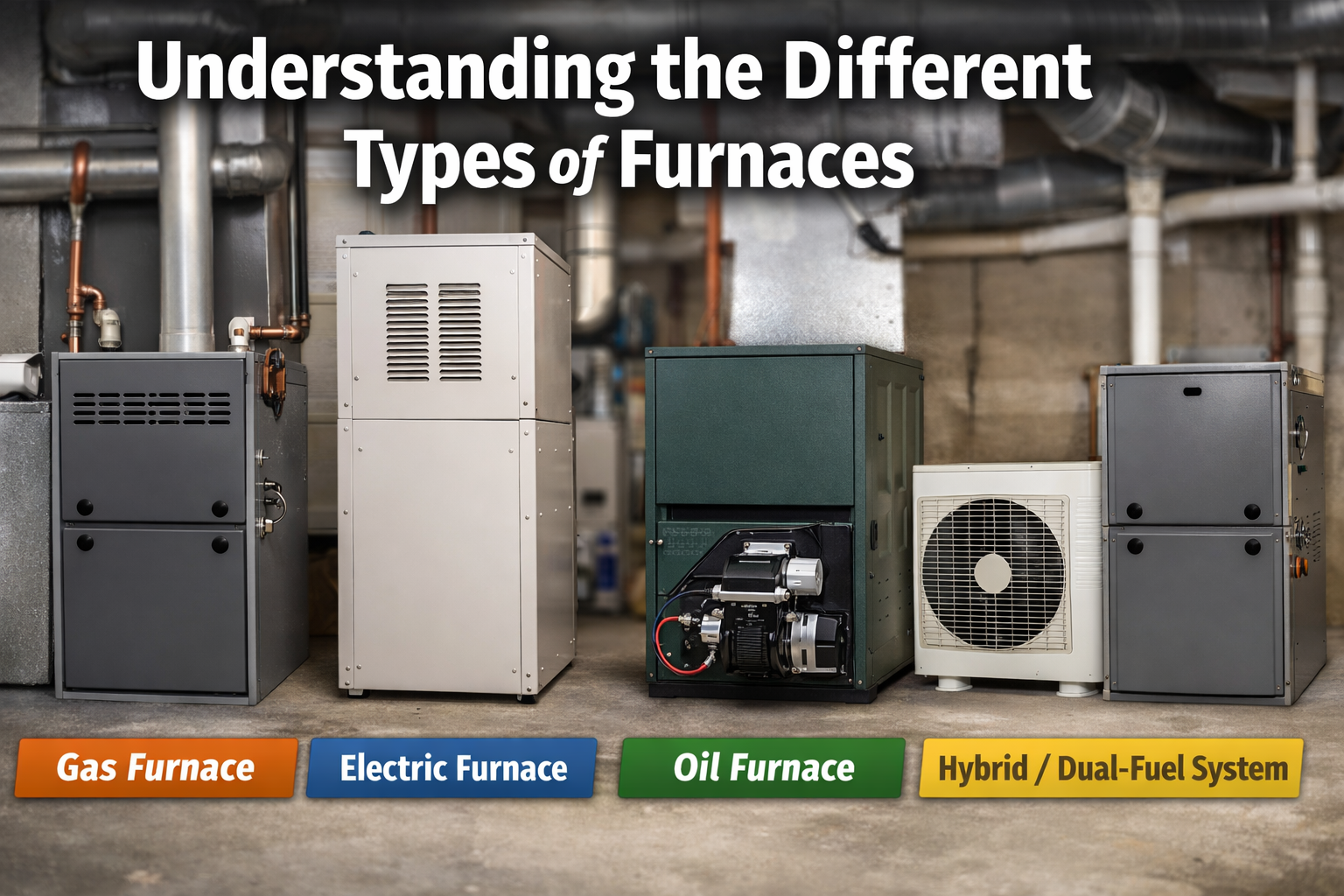
Gas furnaces remain the most widely used heating systems in North America—and for good reason. These furnaces burn natural gas to generate heat, which is then distributed throughout your home via ductwork. Modern high-efficiency gas furnaces, especially those with an AFUE (Annual Fuel Utilization Efficiency) rating of 90% or more, are both cost-effective and eco-friendly. They are ideal for homeowners who have access to a natural gas line and live in colder climates where heating demands are high during winter months. One of the major advantages of gas furnaces is the relatively low cost of natural gas compared to other fuels, which translates into lower monthly heating bills.
Additionally, gas furnaces tend to heat homes faster than other types because natural gas produces more heat per unit than electricity or oil. However, installation can be costly if a gas line isn’t already present, and some homeowners are concerned about potential carbon monoxide leaks—though these are rare when the furnace is properly installed and maintained. Routine maintenance, including annual inspections, filter changes, and ventilation checks, is key to ensuring both efficiency and safety.
Electric Furnaces: Cleaner Operation with Lower Upfront Costs
Electric furnaces are another common type of heating system, especially in warmer climates where the heating demand is relatively low. These systems use electric resistance heating to generate warm air and are typically less expensive to install than gas or oil furnaces. Unlike gas systems, electric furnaces don’t produce combustion gases, which means they require no flue or chimney. This makes installation simpler and placement more flexible, especially for homes without existing ductwork or chimneys.
From a maintenance standpoint, electric furnaces are relatively easy to care for. They have fewer moving parts and no burners or heat exchangers to service, reducing the likelihood of mechanical failure. However, because electricity generally costs more than natural gas, electric furnaces can be more expensive to operate in the long run—especially in colder areas where they need to run frequently. Still, for homeowners focused on environmental concerns, electric systems can be paired with renewable energy sources like solar panels for a cleaner heating solution. Many modern electric furnaces also come with programmable thermostats, zone controls, and smart integration features, making them highly customizable and energy efficient when managed properly.
Oil, Dual-Fuel & Hybrid Furnaces: Alternative Options for Unique Needs
While less common today, oil furnaces still serve a segment of homeowners—particularly in older homes or rural areas without access to natural gas. These systems use heating oil stored in an on-site tank and provide strong, consistent heat even during the harshest winters. Oil furnaces typically have higher upfront fuel costs and require more frequent maintenance, such as cleaning the burner and replacing the oil filter. However, they often last longer than gas models, and their high heat output can make them an excellent choice in extremely cold climates.
Another modern solution gaining popularity is the dual-fuel or hybrid furnace system, which combines a gas furnace with an electric heat pump. These systems are designed to switch between energy sources based on temperature and efficiency. For instance, the heat pump can handle moderate heating needs efficiently, while the gas furnace kicks in during colder temperatures when it becomes more effective. This approach can lead to significant energy savings over time and is ideal for areas with fluctuating seasonal temperatures. While the initial investment is higher than single-fuel systems, the long-term savings and energy efficiency can be worth it for homeowners looking for maximum flexibility and sustainability.
When choosing a furnace, it's critical to consider your local climate, available fuel sources, home insulation, and budget. Each type of furnace has its strengths and limitations, and the best choice is one that aligns with your household’s specific heating requirements and long-term goals.